
When you think of Nigeria, what comes to your mind first? Is it jollof rice? Afrobeat? Or the colorful traditional outfits?
Well, beyond the food, music, and style, Nigeria is truly a land of rich culture. It is a country where over 250 ethnic groups and 500 languages exist side by side. But today, let’s take a short, friendly walk through four of Nigeria’s major tribes and languages which are Igbo, Yoruba, Hausa, and Efik, and see what makes each one unique and special.
1. Igbo
Have you ever met an Igbo person? Chances are, they’ll tell you they’re from “the East”, places like Anambra, Imo, Enugu, Abia, and Ebonyi.
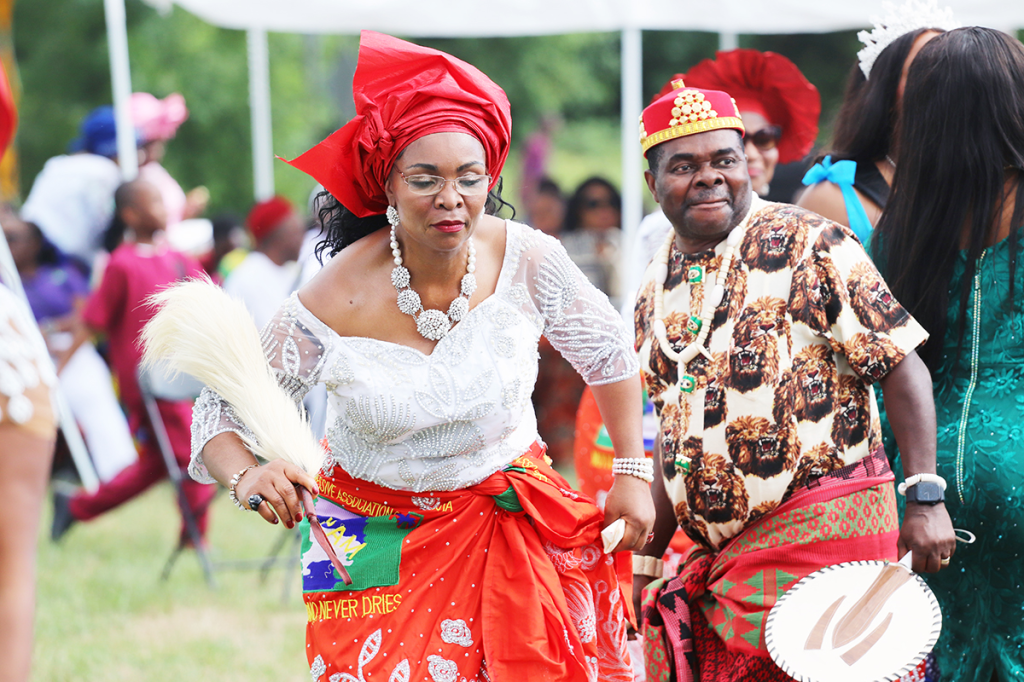
The Igbos are known for their strong sense of enterprise and family values. Many are business-minded, and it’s common to see young Igbo men start apprenticeships in their teens and grow into CEOs of big companies before 40. That’s not luck but it’s culture.
Their language, Igbo, is as expressive as their nature. A simple greeting like “Kedu?” means “How are you?”, and the reply could be “Ọ dị mma” — “It’s fine.” But if you want to win an Igbo person’s heart, just say “I nwere ezigbo obi” — “You have a good heart“, and watch their smiles grow wide!
One more thing is that during traditional festivals like the New Yam Festival, Igbo people dance with so much energy, it’s almost like their feet are telling stories. The drums, the music, the chants and everything feels alive.
2. Yoruba
From Lagos to Ibadan, Ilorin to Osogbo, the Yoruba tribe is everywhere in South-West Nigeria.
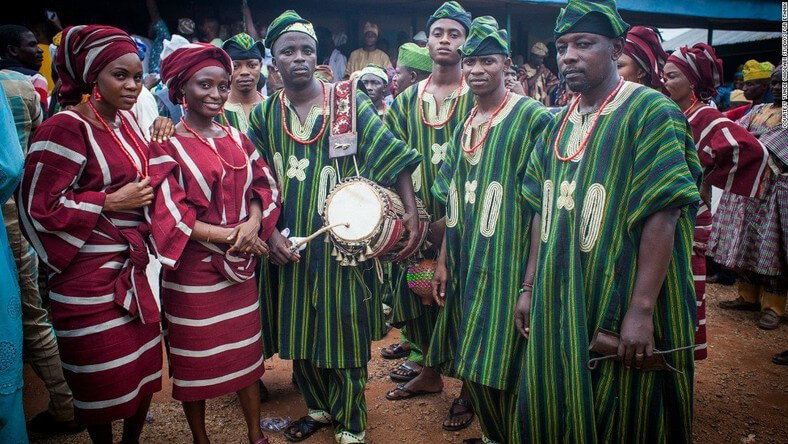
Yoruba people are deeply cultural and everything has meaning, from the way they greet (kneeling or prostrating) to how they name children (names often tell the story of the child’s birth or family). For example, a name like “Ayomide” means “My joy has returned.”
Their language, Yorùbá, is full of proverbs and deep sayings. For example, “Ìwà lẹwà” means “Character is beauty.” They believe that how you behave is more important than how you look.
3. Hausa
Now let’s head to the North. The Hausa people are one of the largest ethnic groups not just in Nigeria, but in all of West Africa. You’ll find them in Kano, Kaduna, Katsina, Sokoto, and Bauchi, and their influence stretches far beyond.
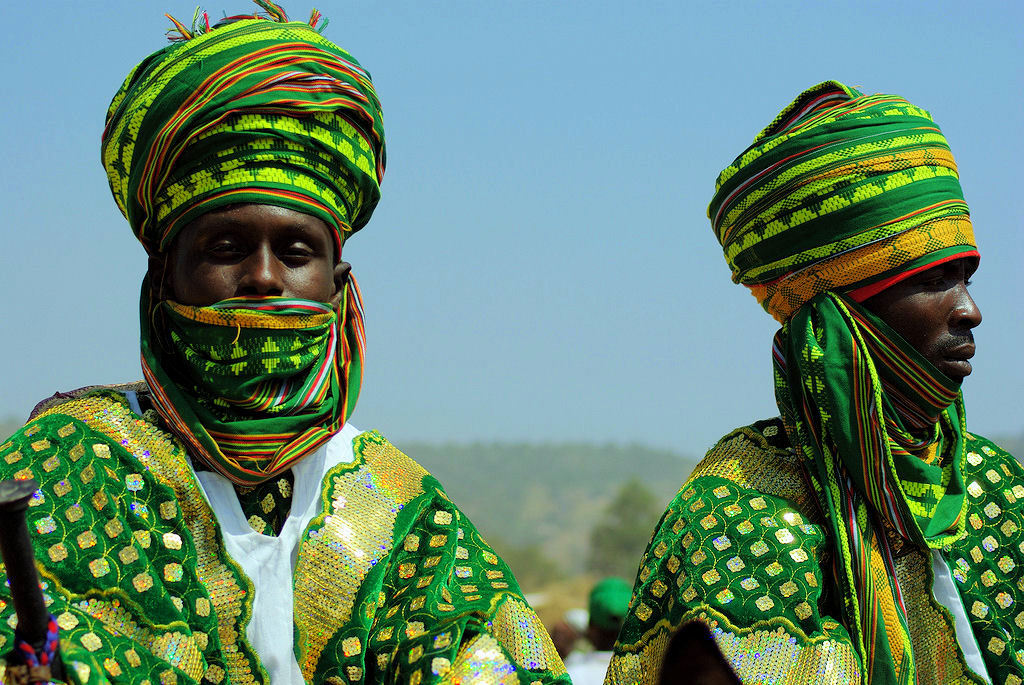
Hausa people are known for their hospitality, modesty, and peaceful nature. You walk into a Hausa home, and before you know it, they’ve served you fura da nono or suya with a wide smile.
Their language, Hausa, is soft on the ears. You’ll hear greetings like “Sannu” (hello), or “Ina kwana?” (Good Morning). Their popular response, “Lafiya lau”, simply means “I’m well.”
4. Efik
Tucked away in the coastal areas of Cross River State, especially around Calabar, is where you’d find the Efik people.
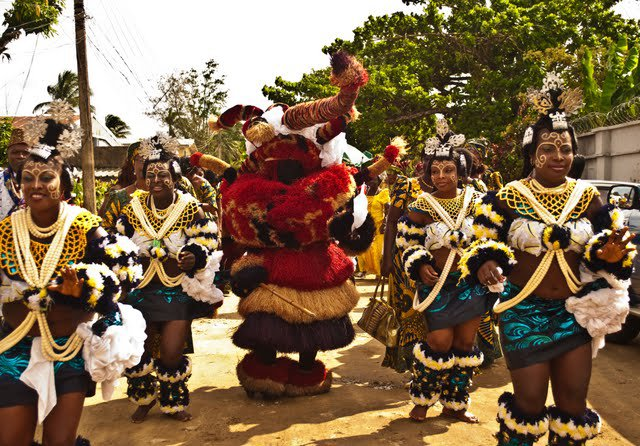
The Efik language is not as widely spoken as the others, but it’s sweet and smooth, like a calm sea. Phrases like “Mọ fiọk” (I love you) and “Mọ ẹnyịn” (Good Morning) are gentle, yet full of meaning.
The Efik people are known for their colorful festivals, food, and beauty pageants. Have you ever heard of the Calabar Carnival? It’s Africa’s biggest street party that is full of music, dances, and stunning costumes that reflect Efik pride and creativity.
So, Why Does This Matter?
Because in a world where people are quick to divide, Nigeria teaches us something different: we can be many and still be one. Our languages may sound different, our clothes may look different, but our values which is the family, respect, hard work, celebration are the same at heart.
Understanding each other better doesn’t make us weaker; it makes us stronger. And it starts with appreciating our differences, not just tolerating them.
So next time you hear someone speak Igbo, Yoruba, Hausa, or Effik, don’t just hear the words but listen to the story behind them. You might just fall in love with the melody of Nigeria’s soul.
 Your Favorite Location